
Changing your wardrobe with the seasons can make your closet feel more spacious and easier to use. However, storing clothes incorrectly can lead to wrinkles, odors, fading, pests, and unnecessary damage. With a simple system and the right supplies, you can protect your clothing while making seasonal changes faster and less stressful.
Start With Sorting
Before packing anything away, sort your clothes by season, type, and condition. This is a good opportunity to decide what you still wear and what no longer belongs in your wardrobe.
Create four groups:
– Keep for next season
– Wear during the current season
– Donate or sell
– Repair or recycle
Be honest about items you have not worn in the past year. If something does not fit, is uncomfortable, or no longer matches your style, storing it may only delay a decision. Set aside damaged items that need repairs before storage. Clean and mend them before packing so they are ready to wear when the season returns.
Clean Clothes Before Storage
Always wash or dry-clean clothing before storing it for several months. Even small traces of food, body oils, perfume, or dirt can attract insects and create unpleasant odors over time.
Follow the care label for each garment. Wash everyday clothing and allow it to dry completely. Dry-clean items according to their care instructions, but remove them from plastic dry-cleaning bags before long-term storage. These bags are designed for short-term transportation and may trap moisture.
Pay special attention to:
– Sweaters and knitwear
– Coats and jackets
– Scarves and hats
– Formal clothing
– Shoes and boots
– Items made from natural fibers
Never store damp clothing. Even slight moisture can lead to mildew, especially in enclosed containers.
Choose the Right Storage Containers
The best container depends on the clothing and the available space. A combination of storage options usually works better than using one type for everything.
Plastic Storage Bins
Plastic bins with secure lids are useful for folded clothing, accessories, and shoes. Choose sturdy containers that stack easily and are large enough to hold items without crushing them.
Clear bins make it easier to see what is inside. If you use opaque containers, add a large label with the contents. Avoid overfilling bins, since tightly packed clothing can become deeply wrinkled and difficult to remove.
Fabric Storage Bags
Breathable fabric bags are suitable for many garments, especially items that need air circulation. They can help protect clothing from dust while reducing the risk of trapped moisture.
Use fabric bags for:
– Sweaters
– Cotton clothing
– Scarves
– Lightweight jackets
– Delicate accessories
Choose bags made from cotton or another breathable material. Avoid storing valuable or delicate clothing in thin plastic bags for extended periods.
Vacuum Storage Bags
Vacuum bags can save space, but they are not ideal for every fabric. They work well for bulky, washable items such as puffer jackets, blankets, and some casual clothing.
Avoid vacuum-sealing leather, wool, silk, structured garments, or clothing with delicate decorations. Long-term compression can change their shape, flatten insulation, or create stubborn creases. If you use vacuum bags, check the contents occasionally and avoid packing them too tightly.
Fold Clothing Correctly
Most seasonal clothing should be folded instead of hung. Hanging certain items for months can stretch shoulders, distort collars, or leave marks from hangers.
Fold sweaters, T-shirts, jeans, casual dresses, and knitwear neatly. Place heavier items at the bottom of a container and lighter items on top. You can use acid-free tissue paper between delicate layers to reduce friction and help prevent wrinkles.
For bulky sweaters, fold them loosely rather than compressing them into a small space. If a garment has a shape that is difficult to fold, place it near the top of the container where it will not be crushed.
Avoid placing heavy clothing on delicate fabrics. Mixing all materials in one pile can cause snagging and uneven pressure.
Store Hanging Items With Care
Some clothing is better stored on hangers, including structured jackets, suits, formal dresses, and certain coats. Use wide, sturdy hangers that support the garment’s shoulders. Padded hangers are helpful for delicate fabrics.
Cover hanging garments with breathable garment bags. Leave a little space between each item so air can circulate. Avoid packing an entire closet tightly, since crowding can cause wrinkles and make it harder to spot moisture or pests.
Button or zip garments before storing them. This helps them keep their shape and reduces the chance of snagging nearby clothing. For long dresses or coats, use a closet section where the hems will not touch the floor.
Prepare Shoes and Accessories
Shoes should be cleaned and completely dry before storage. Remove dirt from soles and wipe the outside according to the material’s care instructions. Allow shoes to air out before placing them in boxes or bins.
To help shoes keep their shape:
– Use shoe trees for leather footwear
– Stuff boots with clean paper or boot supports
– Store shoes in pairs
– Keep delicate materials away from direct sunlight
– Avoid stacking shoes without protection
Do not use newspaper inside light-colored shoes, because ink may transfer. Original shoe boxes are useful, but clear containers or labeled bins can also work well.
Store belts, handbags, hats, and scarves separately when possible. Hang belts on hooks or a rack, and stuff handbags lightly with clean paper to help them maintain their shape. Avoid folding structured bags for long periods.
Pick a Suitable Storage Location
A cool, dry, and dark location is best for seasonal clothing. Closets, shelves, and areas beneath a bed can work well if they are clean and protected from moisture.
Avoid storing clothes in:
– Damp basements
– Hot attics
– Garages with large temperature changes
– Areas exposed to sunlight
– Rooms with frequent leaks or condensation
If your storage area tends to be humid, use a moisture control product designed for that space. Keep these products separate from clothing and follow the manufacturer’s instructions. Do not place wet or chemical products directly on fabric.
Store containers off the floor when possible. Shelving protects them from minor spills, dust, and cold surfaces. Make sure stacked bins are stable and not too heavy to lift safely.
Label Everything Clearly
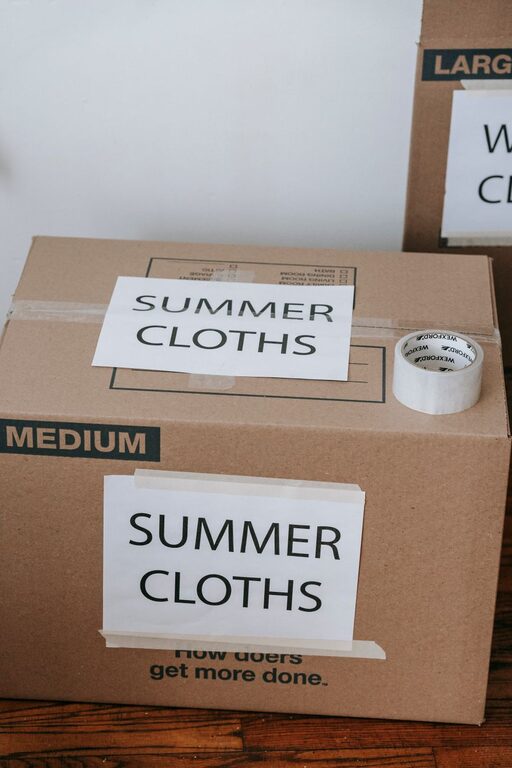
A simple labeling system saves time when the weather changes. Label each container with its general contents, such as “Winter Sweaters,” “Summer Accessories,” or “Cold Weather Shoes.”
You can also add a short inventory list inside the lid or on your phone. Include details such as:
– Main clothing categories
– Number of items
– Special care instructions
– Items that need repair
– The storage date
Keep frequently needed items near the front and less-used items toward the back. If several family members share storage space, add names or room labels to prevent confusion.
Check Stored Clothing Regularly
Seasonal storage does not end when the containers are closed. Check stored clothing every few months if possible. Look for moisture, unusual odors, insects, or signs of fabric damage.
If you notice a problem, remove the affected items and inspect nearby clothing. Wash or clean garments as appropriate, then allow them to dry fully before storing them again. Replace damaged containers and improve ventilation if moisture is a recurring issue.
When the next season arrives, open containers in a clean, dry area. Air out clothing before wearing it, especially if it has been stored for several months. This is also the perfect time to repeat the sorting process and remove items you no longer use.
Build a Simple Seasonal Routine
Efficient clothing storage depends more on consistency than expensive products. Set aside time at the end of each season to clean, sort, fold, label, and store your wardrobe.
A practical routine looks like this:
- Remove clothing that is no longer needed.
- Sort items by type and condition.
- Wash or clean every garment.
- Repair items before packing them.
- Choose suitable containers.
- Fold or hang clothing correctly.
- Label each container.
- Store everything in a cool, dry location.
- Check the containers during the off-season.
With this approach, your clothes stay cleaner, your closet remains more manageable, and seasonal wardrobe changes become much easier.