
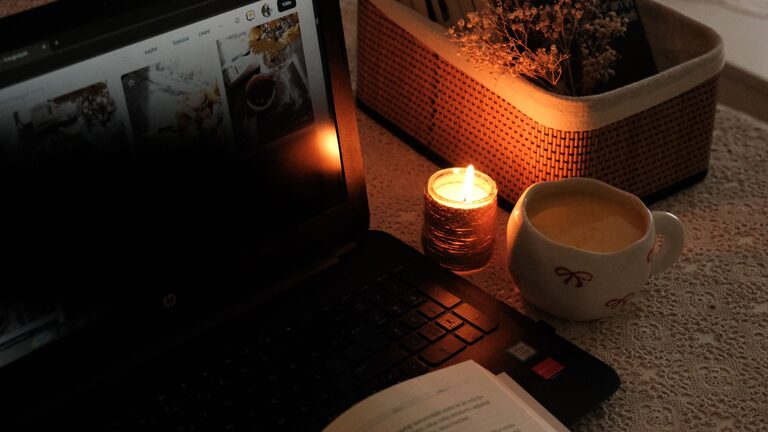
A screen-light evening is a simple way to create more space for rest, conversation, and activities that do not involve a phone, tablet, computer, or television. The goal is not to avoid technology perfectly. Instead, it is to make a thoughtful plan that reduces distractions and helps you enjoy the final part of the day.
With a little preparation, a screen-light evening can feel natural rather than restrictive. You can read, cook, write, organize your space, enjoy a hobby, or simply slow down. The best plan is one that fits your schedule, energy level, and personal preferences.
Decide What You Want From the Evening
Before choosing activities, think about how you want to feel at the end of the evening. Your answer can guide the rest of your plan.
You might want to:
– Relax after a busy day
– Spend quality time with family or friends
– Enjoy a hobby
– Prepare for the next day
– Make time for quiet reflection
– Create a more peaceful bedtime routine
A screen-light evening does not need to be packed with activities. If your main goal is rest, a short list may work better than a full schedule. If you want to feel productive, choose one or two small tasks that give you a sense of progress without making the evening feel like work.
Choose a Start Time
Pick a realistic time to begin reducing screen use. For example, you might finish dinner, complete necessary messages, and then switch to screen-light activities at 7:30 p.m.
Choose a time that works with your normal routine. Starting too early may make the plan difficult to maintain, while starting too late may leave little time to enjoy it.
You can also try different versions:
– A one-hour screen-light evening
– A screen-free dinner followed by other activities
– The final two hours before bed without entertainment screens
– One screen-light evening each week
A flexible approach is easier to continue than an all-or-nothing rule.
Prepare Your Space
Your surroundings can make the transition easier. Before putting devices away, gather the items you may want during the evening. This helps prevent unnecessary trips to your phone or computer.
Consider preparing:
– A comfortable chair or reading spot
– A book, magazine, or notebook
– Art or craft supplies
– Ingredients for a simple meal or snack
– A board game, puzzle, or deck of cards
– A candle, lamp, or soft lighting
– Tea, water, or another favorite drink
– A blanket or comfortable clothing
Keep your phone in a designated place, such as a drawer, shelf, or charging station. If you need to remain reachable, turn on important alerts and leave the phone where you can hear it without keeping it in your hand.
Plan a Simple Transition
Moving directly from a busy, screen-filled day into a quiet evening can feel awkward. Create a short transition that signals a change of pace.
You could:
- Finish essential messages and tasks.
- Set an alarm or reminder for your screen-light start time.
- Put devices on chargers outside your main relaxation area.
- Change into comfortable clothes.
- Tidy one small area.
- Prepare a drink or light snack.
- Begin your first activity.
This routine does not need to take more than 10 or 15 minutes. Repeating the same steps can make screen-light evenings feel familiar.
Select Activities in Three Categories
A useful way to plan the evening is to choose one activity from each of three categories: restorative, engaging, and practical. You do not have to complete all three, but having options prevents boredom.
Restorative Activities
Restorative activities help you slow down and enjoy a quieter pace. Try:
– Reading a printed book
– Listening to music or a radio program
– Stretching gently
– Taking a warm shower or bath
– Sitting by a window
– Practicing deep breathing
– Writing in a journal
– Enjoying a cup of tea
Choose activities that feel pleasant, not like another obligation. If you are tired, resting quietly may be more appropriate than starting a demanding project.
Engaging Activities
Engaging activities give your attention something enjoyable to focus on. Options include:
– Cooking or baking
– Drawing, painting, or coloring
– Completing a puzzle
– Playing a board game or card game
– Doing a craft
– Practicing a musical instrument
– Learning a hands-on skill
– Organizing photos in a physical album
– Writing a short story or poem
If you are spending the evening with others, choose an activity that encourages conversation. A shared meal, card game, or creative project can create a stronger sense of connection than watching separate content on different devices.
Practical Activities
A small practical task can help you feel prepared without filling the entire evening with chores. Consider:
– Preparing breakfast ingredients
– Choosing clothes for the next day
– Packing a bag
– Planning tomorrow’s top three tasks
– Watering plants
– Folding laundry
– Tidying a table or countertop
– Preparing a grocery list on paper
Set a clear limit for practical tasks. Ten or 20 minutes may be enough. The purpose is to reduce tomorrow’s stress, not to start a major cleaning project.
Build a Flexible Evening Schedule
A simple schedule can provide structure while leaving room for choice. For example:
– 7:30 p.m.: Finish device use and make a drink
– 7:45 p.m.: Prepare and enjoy a light meal or snack
– 8:15 p.m.: Read, craft, or play a game
– 9:00 p.m.: Complete a short preparation task for tomorrow
– 9:20 p.m.: Journal, listen to music, or relax
– 9:45 p.m.: Begin your regular bedtime routine
Treat this as a guide rather than a strict timetable. If you become absorbed in a good book or conversation, you do not need to stop simply because the schedule says it is time to switch activities.
Plan for Common Challenges
The first few screen-light evenings may feel less comfortable than expected. You may instinctively reach for your phone or wonder what to do next. This is normal and can be managed with a few simple strategies.
Keep a Backup List
Write down several activities before the evening begins. Include choices for different energy levels:
– Low energy: read, listen to music, or take a quiet break
– Moderate energy: cook, journal, or complete a puzzle
– Higher energy: tidy a room, practice a hobby, or take a walk
Handle Necessary Screen Use
Some tasks cannot wait. You may need to check a work message, confirm a travel detail, or make an important call. Handle the task directly, then return to your plan. Necessary screen use does not cancel the entire evening.
Avoid Replacing One Screen With Another
If you put away your television but spend the evening checking notifications on your phone, the result may not feel much different. Keep devices out of easy reach and choose activities that use your hands or encourage conversation.
Make the Routine Sustainable
A screen-light evening works best when it is enjoyable enough to repeat. After each attempt, consider what worked and what did not.
Ask yourself:
– Did I choose activities I genuinely enjoyed?
– Was the start time realistic?
– Did I prepare my space in advance?
– Did I need fewer or more activities?
– What would make the next evening easier?
You may discover that a shorter plan works better, or that you prefer screen-light evenings on certain days. Adjust the routine as needed.
The purpose is not perfection. It is to create a regular opportunity to pause, focus on the present, and enjoy parts of the day that can be overlooked when screens take up every quiet moment. A few simple preparations can turn an ordinary evening into a calmer, more intentional part of your routine.