
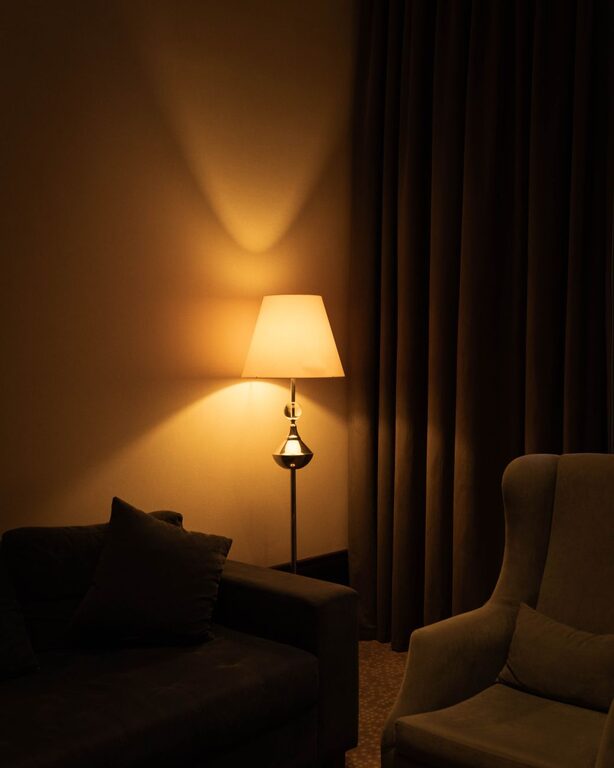
Comfortable lighting can make a home feel calmer, more welcoming, and easier to use. The right light helps you read, cook, work, relax, and move safely without creating glare or harsh shadows. Instead of choosing fixtures based only on appearance, consider how each room is used and how the light will feel throughout the day.
Start With the Room’s Purpose
Every room needs lighting that matches its main activities. A living room may need soft, flexible light for relaxing and entertaining, while a kitchen needs brighter illumination for food preparation and cleaning.
Before buying a fixture or bulb, ask:
– What activities take place in this room?
– Does the room receive natural light?
– Are there dark corners or areas that need extra attention?
– Will the lighting be used mostly during the day, evening, or both?
– Do you want the room to feel cozy, bright, calm, or energetic?
These questions help you avoid relying on a single light source that may be too bright in some areas and too dim in others.
Use Layers of Light
The most comfortable rooms usually combine three types of lighting: ambient, task, and accent lighting. Using layers gives you more control and creates a balanced look.
Ambient Lighting
Ambient lighting provides general illumination for the room. It may come from ceiling fixtures, recessed lights, chandeliers, or wall-mounted fixtures. This is the main layer that helps you move around and see the overall space.
Choose ambient lighting that fills the room without making it feel overly bright. A fixture with a diffuser or shade can soften the light and reduce direct glare.
Task Lighting
Task lighting is designed for specific activities. Examples include:
– A desk lamp for reading or computer work
– Under-cabinet lighting for kitchen counters
– A floor lamp beside a chair
– Vanity lights near a bathroom mirror
– Bedside lamps for reading
Task lighting should be bright enough for the activity, but it should not shine directly into your eyes. Position lamps so your hands or work surface do not cast distracting shadows.
Accent Lighting
Accent lighting highlights features such as artwork, shelving, plants, or architectural details. It can also add warmth and depth to a room.
Use accent lights sparingly. A few well-placed fixtures often look more comfortable than many small lights competing for attention.
Choose the Right Color Temperature
Light color affects the mood of a room. Color temperature is measured in Kelvin, often written as K. Lower numbers produce warmer, yellowish light, while higher numbers create cooler, bluish-white light.
As a general guide:
– 2700K to 3000K: warm and relaxing
– 3000K to 3500K: balanced and comfortable
– 3500K to 4100K: neutral and clean
– 5000K and above: cool and daylight-like
Warm light is often a good choice for bedrooms, living rooms, dining areas, and other spaces where you want a relaxed atmosphere. Neutral light can work well in kitchens, bathrooms, laundry rooms, and home offices.
You do not have to use the same color temperature throughout your home. However, using similar tones in connected rooms can create a more consistent appearance.
Pay Attention to Brightness
Brightness is commonly measured in lumens. A higher lumen rating means the bulb produces more light. The ideal amount depends on the room’s size, ceiling height, wall color, and purpose.
A small lamp may need fewer lumens than a central fixture in a large room. Light-colored walls and reflective surfaces can also make a space appear brighter, while dark finishes may absorb more light.
Rather than choosing the brightest bulb available, aim for enough light to perform everyday tasks comfortably. Excessive brightness can create glare, reflections, and an unpleasant atmosphere.
If you are unsure, choose fixtures that accept replaceable bulbs or use adjustable lighting. This gives you the option to change brightness later.
Reduce Glare
Glare occurs when a light source is too intense or shines directly into your eyes. It can also appear as reflections on televisions, computer screens, glossy counters, or polished floors.
To reduce glare:
– Use shades, diffusers, or frosted bulbs
– Avoid placing bright lights directly in front of mirrors or screens
– Position desk lamps to the side rather than directly behind a monitor
– Choose fixtures with adjustable heads
– Use several lower-intensity lights instead of one very bright source
– Keep exposed bulbs away from direct eye level
A light fixture may look attractive, but comfort should come first. If you notice yourself squinting or avoiding a certain area, the lighting likely needs adjustment.
Consider Dimmers and Controls
Dimmers make lighting more flexible. You can use brighter settings for cleaning or detailed work and lower settings for relaxing or watching a movie.
Smart bulbs, timers, and remote controls can also make lighting easier to manage. Even simple wall switches with separate controls for different fixtures can improve comfort.
When installing a dimmer, check that the bulbs and fixture are compatible. Some bulbs may flicker or fail to dim smoothly if they are not designed for the selected control.
Choose Fixtures for the Room’s Size
The size and shape of a fixture should suit the room. A very small fixture may not provide enough light, while an oversized one can dominate the space.
For ceiling fixtures, consider the room’s dimensions and ceiling height. In dining areas, a pendant or chandelier should be positioned high enough to avoid blocking views across the table. In hallways and rooms with lower ceilings, flush or semi-flush fixtures may be more practical.
Floor and table lamps should also fit the surrounding furniture. A lamp that is too tall or wide can feel awkward and may be easier to knock over.
Think About Placement
Good placement can be just as important as bulb selection. Spread light around the room rather than concentrating it in one location.
For example, a living room might include:
– A ceiling fixture for general light
– A floor lamp near a reading chair
– A table lamp on a side table
– A small accent light near a shelf or plant
In a bedroom, place bedside lamps where they are easy to reach. In a kitchen, make sure overhead fixtures do not leave your work surface in shadow. In a bathroom, lighting on both sides of a mirror can reduce shadows on the face more effectively than a single light above the mirror.
Select Efficient, Long-Lasting Bulbs
LED bulbs are a practical choice for many homes. They use less energy than older bulb types, last longer, and are available in a range of brightness levels and color temperatures.
When comparing bulbs, check:
– Lumens for brightness
– Color temperature for light appearance
– Dimmability if you use a dimmer
– Shape and size for fixture compatibility
– Color rendering information when accurate colors matter
A bulb with good color rendering can make fabrics, food, artwork, and finishes look more natural. This can be especially useful in kitchens, bathrooms, closets, and dressing areas.
Test Lighting Before Finalizing Your Choice
Lighting can look different in a store, online photo, or product display than it does in your home. If possible, test a bulb or fixture before buying several of the same type.
Observe it at different times of day and from different parts of the room. Notice whether it creates glare, shadows, or dark areas. Also check how it looks with your walls, flooring, furniture, and other light sources.
Comfortable home lighting is usually the result of balance. Combine suitable brightness, warm or neutral color tones, flexible controls, and thoughtful placement. By choosing lighting based on how each room is used, you can create a home that feels both practical and inviting.