
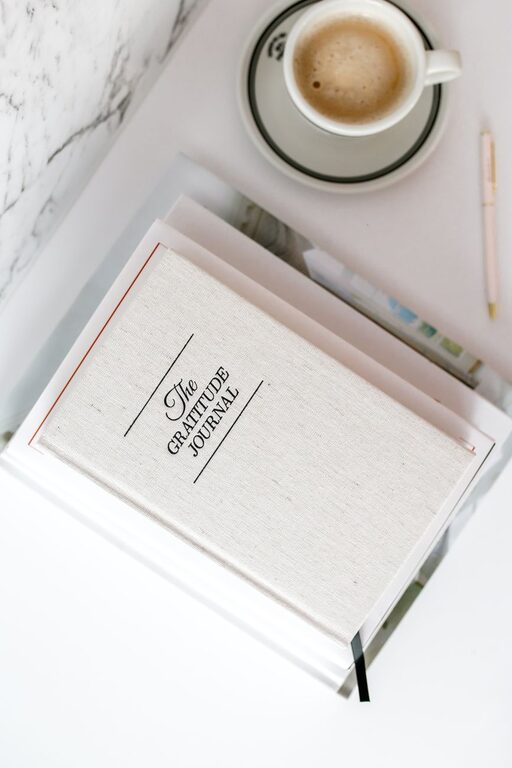
Starting a gratitude journal is a simple way to pause, notice meaningful moments, and reflect on what is going well in your life. You do not need special writing skills, a perfect notebook, or a large amount of free time. A few thoughtful sentences can be enough.
The key is to make gratitude journaling easy and realistic. By choosing a format you enjoy, setting a regular time, and using simple prompts, you can create a routine that fits naturally into your day.
What Is a Gratitude Journal?
A gratitude journal is a notebook, app, or digital document where you regularly record things you appreciate. These entries can focus on big experiences, such as reaching an important goal, or small details, such as a good meal, a helpful conversation, or a quiet morning.
Gratitude journaling is not about pretending every day is perfect. It is a practice of paying attention to positive moments while making room for the full range of everyday experiences. Your entries can be brief, personal, and honest.
Choose Your Journaling Format
Before you begin, decide where you would like to write. The best format is the one you are most likely to use consistently.
Paper notebook
A paper journal can make the practice feel more personal and relaxing. Choose a notebook that is comfortable to hold and easy to keep nearby. It does not need to be expensive or decorative.
Consider keeping it:
– On your bedside table
– Beside your favorite chair
– In your work bag
– Near your morning coffee supplies
Keeping the notebook visible can serve as a helpful reminder.
Digital journal
A digital journal may be more convenient if you already spend time on your phone or computer. You can use a notes app, a private document, or a journaling app.
Digital journaling makes it easy to:
– Search past entries
– Add photos
– Write from different devices
– Set reminders
– Keep entries in one place
Choose a method that feels private and easy to access.
Printable journal or template
A printable template can provide structure if you prefer guided writing. Some templates include space for daily prompts, weekly reflections, or notes about memorable moments.
Templates are useful when you want a clear starting point, but they are not required. A blank page works just as well.
Decide How Often to Write
Many people begin with the goal of writing every day, but there is no single correct schedule. A routine that is easy to maintain is usually more useful than an ambitious plan that feels difficult to continue.
You might write:
– Every morning
– Every evening
– Three times a week
– Once a week
– Whenever you need a moment to reflect
If you are new to journaling, try writing three times a week for two weeks. Once the habit feels comfortable, you can decide whether to write more often.
Start with a small commitment, such as five minutes or three sentences. A simple routine is easier to repeat.
Select a Regular Time
Connecting your gratitude journal to an existing activity can make it easier to remember. This approach is sometimes called habit stacking: you attach a new habit to something you already do.
For example, write after:
– Brushing your teeth
– Drinking your morning coffee
– Finishing lunch
– Turning off your work computer
– Getting ready for bed
Choose a time when you are usually calm enough to reflect. If your evenings are busy, a short morning entry may work better. If mornings are rushed, try writing before bed.
You can also set a gentle reminder on your phone. The reminder should support your routine rather than feel like a demand.
Start With Simple Prompts
A blank page can feel intimidating, especially when you are beginning. Prompts give you a clear direction and help you notice different kinds of appreciation.
Try answering one of these questions:
– What is one good thing that happened today?
– Who made my day a little easier?
– What is something I enjoyed recently?
– What is one place I feel comfortable?
– What is a small convenience I often overlook?
– What did I learn today?
– What made me smile?
– What part of my routine do I appreciate?
– What is something I am looking forward to?
– What is one quality I value in myself?
You do not need to answer every question. Choose the prompt that feels most natural for the day.
Make Entries Specific
Specific details can make an entry more meaningful than a general statement. Instead of writing, “I am grateful for my friends,” describe the moment that stood out.
For example:
– “I appreciate that Jordan called during a busy afternoon and listened without rushing.”
– “I am grateful for the warm sunlight in the kitchen this morning.”
– “I enjoyed the soup I made because trying a new recipe gave me a relaxing break.”
Specific writing helps you revisit the experience later. It also gives your journal a more personal voice.
A useful formula is:
I am grateful for ______ because ______.
You can add another sentence describing how the moment made you feel or why you want to remember it.
Include Small and Ordinary Moments
Gratitude does not have to focus on rare or impressive events. Everyday details can be just as meaningful. You might write about clean sheets, a comfortable pair of shoes, a funny message, fresh fruit, a finished task, or a few quiet minutes.
Small moments are often easier to notice when you slow down and pay attention. They also give you more opportunities to write, especially on ordinary days.
Try using your senses as a guide:
– What did you see that you enjoyed?
– What sound helped you feel calm?
– What food or drink did you appreciate?
– What texture or physical comfort stood out?
– What scent reminded you of a pleasant place?
These questions can turn a routine observation into a thoughtful journal entry.
Be Honest on Difficult Days
Some days may feel tiring, frustrating, or disappointing. You do not have to force a cheerful entry or ignore what happened. A gratitude journal can include honest reflections alongside one small point of appreciation.
You might write:
– “Today was difficult, but I appreciated having a quiet place to rest.”
– “I did not finish everything I planned, but I am glad I completed one important task.”
– “I felt overwhelmed, and I was grateful that someone gave me extra time.”
You can also write about support, patience, lessons, or moments of comfort. The goal is not to deny challenges. It is to notice that difficult days may still contain small sources of value.
Avoid Turning It Into a Chore
A gratitude journal should be helpful, not another task to complete perfectly. If you miss a day, simply begin again. You do not need to explain the gap or catch up on every missed entry.
To keep the practice enjoyable:
– Write as much or as little as you want
– Change prompts when you feel bored
– Use drawings, lists, or photos
– Write at different times when needed
– Skip a prompt that does not feel relevant
– Review old entries when you want inspiration
You can also experiment with different formats. One day might contain three short bullet points, while another might include a full paragraph.
Review Your Entries
Every few weeks, take a few minutes to read some earlier entries. Reviewing your journal can help you remember meaningful experiences and recognize patterns in what brings you satisfaction.
As you read, consider:
– Which moments appear more than once?
– What activities help you feel engaged?
– Which people do you appreciate most?
– What small comforts have you overlooked?
– Has your writing style changed over time?
There is no need to analyze every entry. A simple review can be a pleasant reminder of the experiences you chose to remember.
A Simple Seven-Day Plan
If you would like a clear starting point, use this one-week plan:
– Day 1: Write three things you appreciate today.
– Day 2: Describe a person who has helped or encouraged you.
– Day 3: Notice one small comfort in your surroundings.
– Day 4: Write about something you learned or enjoyed.
– Day 5: Describe a challenge and one source of support.
– Day 6: Record a favorite memory or recent experience.
– Day 7: Review the week and choose your favorite entry.
After the first week, decide what schedule and format feel most natural.
Final Thoughts
Starting a gratitude journal requires only a place to write and a few minutes of attention. Choose a convenient format, begin with simple prompts, and focus on specific moments rather than perfect wording. Most importantly, let the practice fit your life.
Whether you write one sentence each morning or a few lines each weekend, a gratitude journal can become a meaningful record of the people, experiences, and everyday details you value.