
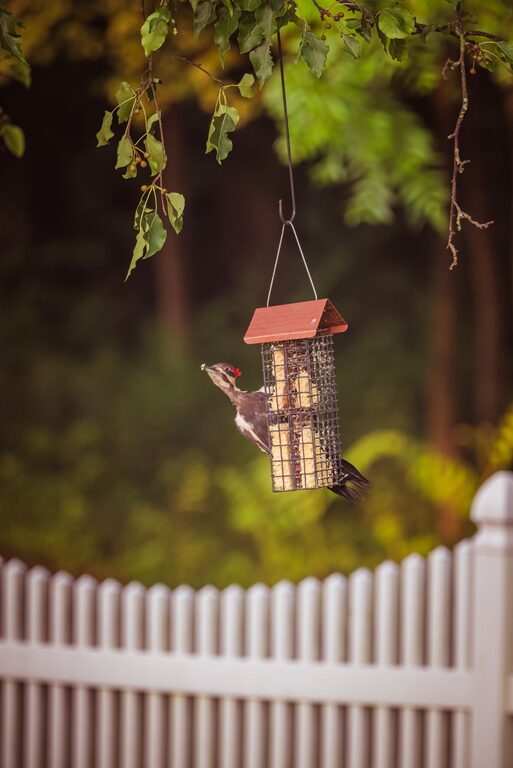
Backyard birdwatching is an easy, relaxing hobby that can be enjoyed almost anywhere. You do not need expensive equipment, a large yard, or expert knowledge to get started. With a comfortable place to sit, a little patience, and a way to identify birds, you can begin noticing the wildlife around your home.
Birdwatching also encourages you to slow down and pay attention to seasonal changes. Birds may visit at different times of day, use different parts of your yard, and change their behavior throughout the year. These beginner tips will help you create a welcoming space and make the most of every viewing opportunity.
Start With the Birds You Already See
Before buying supplies, spend a few minutes observing your yard. Look through a window, sit on a porch, or walk around your outdoor space. Notice where birds gather, what they eat, and how they move.
You may see birds near trees, shrubs, fences, gardens, or open lawn areas. Some species prefer the ground, while others stay high in branches. Watching first will help you decide where to place feeders, water, or natural cover.
Keep a simple list of the birds you notice. Write down the date, time, location, colors, size, and behavior. Even if you do not know a bird’s name, these details can help you identify it later.
Choose Simple Birdwatching Gear
You can enjoy backyard birdwatching without much equipment. Start with the basics and add tools as your interest grows.
- Binoculars: A general-purpose pair can make it easier to see details such as wing patterns and beak shape. Choose binoculars that feel comfortable and are easy to focus.
- Field guide or birding app: Use a regional guide or a trusted identification app to compare birds. A guide with clear pictures, range maps, and behavior notes is especially useful.
- Notebook: Record sightings, weather, bird behavior, and seasonal changes. A phone or tablet can work just as well.
- Comfortable seat: A chair placed near a window or sheltered outdoor area makes longer observation sessions more enjoyable.
- Camera: A camera is optional. If you use one, take photos from a distance and avoid disturbing the birds.
Create a Bird-Friendly Backyard
Birds need food, water, shelter, and safe places to raise young. You can support them by adding a mixture of natural features rather than relying on one feeder.
Offer Natural Food Sources
Native plants can provide seeds, berries, nectar, and insects. Trees and shrubs also offer places for birds to rest and hide. If possible, choose plants that bloom or produce food at different times of the year.
Leaving some fallen leaves and plant stems in selected areas can benefit birds by supporting insects and providing nesting material. You do not need to make your entire yard look untidy. A small natural section can make a useful difference.
Add a Feeder Carefully
A bird feeder can bring birds closer for easier viewing. Start with one feeder and a common seed mix, then observe which birds visit. Black oil sunflower seeds are popular with many backyard species, while other foods may attract different birds.
Place the feeder where you can see it clearly but where birds have nearby protection from shrubs or trees. Avoid placing it so close to a window that birds may collide with the glass. Clean the feeder regularly, remove wet or moldy food, and replace supplies as needed.
Provide Clean Water
A shallow birdbath can attract birds that may not visit feeders. Place it in a spot with some shade and nearby cover, but keep it far enough from dense shrubs to reduce hiding places for predators.
Change the water regularly and scrub the basin when it becomes dirty. In cold weather, check the water often and use only birdbath equipment designed for outdoor conditions. Clean, fresh water is more important than a large or decorative feature.
Learn to Identify Birds Step by Step
Trying to identify every bird at once can feel overwhelming. Begin with a few common species in your area. Learn their overall size, color, shape, and typical behavior before focusing on small markings.
When you see an unfamiliar bird, ask these questions:
- How large is it compared with a sparrow, robin, or crow?
- What colors or patterns stand out?
- What shape are the beak, tail, and wings?
- Is it feeding on the ground, at a feeder, in a tree, or near water?
- What does its call or song sound like?
- What season and time of day is it?
Bird calls can be helpful, but visual details are often easier for beginners. Take notes or a quick photo, then compare your observations with a field guide. Avoid guessing based on one feature alone. Several species may share similar colors, but their size, movement, habitat, or song can help separate them.
Watch at the Best Times
Early morning is often the most active time for birdwatching. Birds are usually searching for food and communicating with one another. Late afternoon can also be rewarding, especially near feeders and water sources.
However, there is no single perfect schedule. Watch at different times to discover the habits of birds in your yard. Rainy or windy conditions may reduce activity, while calm weather can make birds easier to spot. Seasonal changes will also bring new species and behaviors.
Practice Quiet, Patient Observation
Birdwatching rewards patience. Sit quietly, move slowly, and give birds time to return after you arrive. Bright clothing, sudden gestures, and loud noises may cause birds to leave.
Instead of searching constantly, scan one area at a time. Check the ground, shrubs, tree trunks, branches, and sky. Birds may blend into their surroundings, so look for movement rather than expecting bright colors.
If a bird appears nervous, increase your distance. Never chase a bird for a closer look or photograph. Respecting wildlife makes the experience safer and more enjoyable for everyone.
Keep a Birdwatching Journal
A journal turns individual sightings into a record of your backyard’s changing wildlife. Include the date, location, weather, species, number of birds, and any interesting behavior.
Over time, your notes may reveal useful patterns. You might notice that certain birds arrive in spring, visit a specific plant, or appear shortly after rain. You can also track which feeders and plants are most popular.
Do not worry about making every entry detailed. A short note such as “three bluebirds near the garden on a sunny morning” is enough to build a valuable record.
Make Birdwatching a Regular Habit
Set aside 10 or 15 minutes several times a week. Short, regular sessions are often more rewarding than waiting for a long block of free time. Keep your binoculars and notebook near a window or door so they are ready to use.
Invite family members or friends to join you. Comparing observations can make identification easier and help everyone notice different details. Most importantly, enjoy the process. Backyard birdwatching is not a competition. The goal is to observe, learn, and connect with the natural world close to home.