
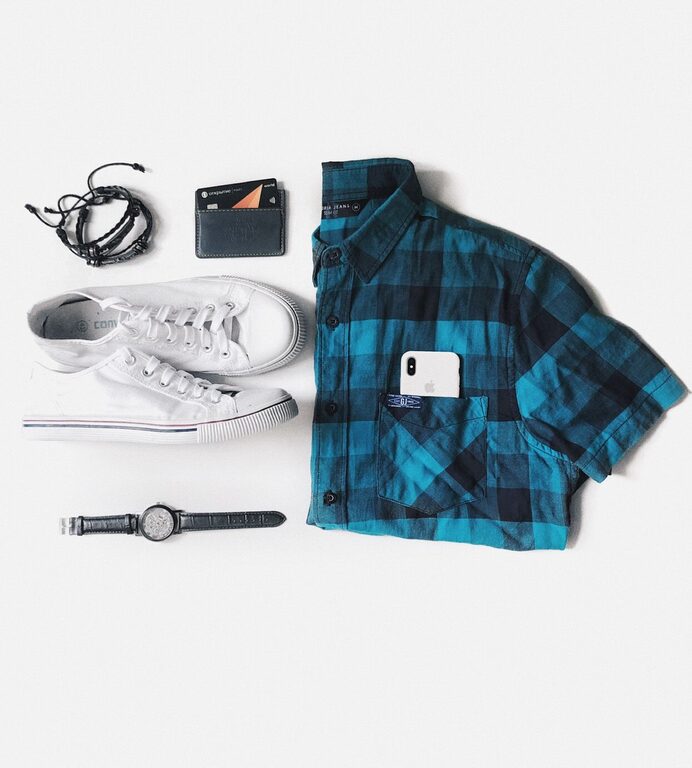
A capsule wardrobe is a small collection of clothing that works well together. Instead of filling your closet with items for every possible occasion, you focus on versatile pieces you can mix, match, and wear regularly.
Building a capsule wardrobe does not mean following strict fashion rules or owning a specific number of items. It is about creating a closet that fits your lifestyle, personal taste, and daily needs. With a thoughtful plan, you can make getting dressed easier and reduce the number of unused clothes in your closet.
What Is a Capsule Wardrobe?
A capsule wardrobe is a carefully selected group of clothing, shoes, and accessories that can be combined in many different ways. The collection usually includes everyday basics, a few statement pieces, and practical items for work, weekends, or special occasions.
The goal is not to make every outfit look the same. Instead, each item should serve a purpose and coordinate with several other pieces.
A basic capsule wardrobe might include:
– Tops for casual and polished outfits
– Bottoms in comfortable, versatile styles
– One or two layers, such as a cardigan or jacket
– Shoes for everyday use and dressier occasions
– A few accessories
– Seasonal items that suit your local weather
You can create one capsule wardrobe for the entire year or build smaller seasonal wardrobes.
Start With Your Lifestyle
Before choosing clothing, think about how you spend most of your time. A wardrobe should support your real life, not an imagined version of it.
Consider these questions:
– Do you work from home, in an office, or in a setting with a uniform?
– How often do you attend formal events?
– Do you spend much time outdoors?
– What activities do you enjoy on weekends?
– What types of weather do you experience?
– Do you prefer simple, colorful, classic, sporty, or relaxed clothing?
For example, someone who works in a casual office may need more polished tops and comfortable trousers. Someone who spends most days at home may prefer soft layers, casual pants, and easy-care fabrics.
Write down the activities you dress for most often. This list will help you avoid buying items that look appealing but do not fit your routine.
Review Your Current Closet
You may already own many pieces that belong in a capsule wardrobe. Start by taking everything out of your closet or reviewing each item one by one.
Create four groups:
- **Keep:** Items that fit well, feel comfortable, and are worn regularly.
- **Repair or alter:** Pieces that need a small fix, such as a missing button or loose hem.
- **Store:** Seasonal items you still want but do not currently need.
- **Donate or recycle:** Clothing that no longer suits your style, size, lifestyle, or condition.
As you sort, ask yourself:
– Have I worn this in the past year?
– Does it fit comfortably today?
– Can I create at least two outfits with it?
– Is it in good condition?
– Would I choose it again if I saw it in a store today?
Avoid keeping something only because it was expensive or once belonged to a favorite outfit. If you never wear it, it is taking up useful space.
Choose a Simple Color Palette
A consistent color palette makes mixing and matching much easier. Start with two or three neutral colors, such as:
– Black
– White
– Gray
– Navy
– Brown
– Beige
– Olive
Then add one or two accent colors that you enjoy wearing. These might include blue, red, green, yellow, or another shade that complements your existing clothes.
Your palette does not need to be strict. Patterns and prints can still be part of your wardrobe. However, choosing colors that work together will help you create more outfits from fewer pieces.
If you are unsure where to begin, use one neutral color for bottoms and another for layers. Add lighter or brighter colors through tops, accessories, or seasonal items.
Build Around Versatile Basics
Once you know your lifestyle and color preferences, identify the basic pieces you need. The exact number will depend on your routine, laundry schedule, and climate.
A flexible starting collection may include:
Tops
Choose a mix of casual and polished options. You might include:
– Two or three T-shirts
– One or two long-sleeve shirts
– A blouse, button-down shirt, or knit top
– A sweater or lightweight pullover
Look for tops that can be worn alone or under jackets and sweaters.
Bottoms
Select bottoms that work with most of your tops. A starting group could include:
– One pair of jeans
– One pair of casual trousers or chinos
– One comfortable skirt or additional pair of pants
– Shorts or seasonal bottoms, if needed
Choose cuts and fabrics that suit your comfort preferences. Versatility matters more than following a particular trend.
Layers
Layers can change the appearance of an outfit and help you dress for changing temperatures. Consider:
– A cardigan
– A casual jacket
– A blazer or polished overshirt
– A coat suitable for your climate
At least one layer should work for both casual and slightly dressier outfits.
Shoes
You do not need many pairs of shoes, but each pair should have a clear purpose. A practical selection might include:
– Everyday sneakers or comfortable shoes
– Boots or weather-ready shoes
– Dressier flats, loafers, or other shoes
– Sandals or seasonal footwear, if useful
Prioritize comfort, durability, and colors that coordinate with your clothing.
Use the Three Outfit Test
Before adding a piece to your capsule wardrobe, see whether it works with at least three other items. For example, a new shirt should pair with multiple bottoms and layers.
You can also use an outfit planning exercise. Choose one item and create three different looks:
– A casual everyday outfit
– A work or polished outfit
– A weekend or relaxed outfit
If you cannot create several combinations, the item may be too difficult to use regularly. This does not mean you can never own distinctive clothing, but statement pieces should be balanced with dependable basics.
Pay Attention to Fit and Fabric
A capsule wardrobe works best when the clothes are comfortable and easy to care for. Check the fabric, construction, and care instructions before buying.
Look for:
– Comfortable materials
– Reliable stitching
– Practical washing instructions
– Fabrics suitable for your local weather
– Shapes that allow easy movement
– Items that keep their appearance after regular wear
Fit is also important. A basic item that fits well can look more polished than a fashionable item that feels uncomfortable. If a piece is almost right, a simple alteration may make it much more useful.
Shop Slowly and With a List
After reviewing your closet, make a short list of genuine gaps. You may need a neutral sweater, comfortable everyday shoes, or a layer for work.
Shop for these missing pieces one at a time rather than buying several items at once. Before purchasing, ask:
– Does this fit my lifestyle?
– Does it coordinate with my current clothes?
– Can I wear it in more than one season?
– Do I already own something similar?
– Would I still want it without a discount?
A shopping list helps prevent impulse purchases and keeps your wardrobe focused.
Maintain Your Capsule Wardrobe
A capsule wardrobe needs occasional updates. At the end of each season, review what worked and what did not.
Note:
– Which pieces you wore most often
– Which items stayed untouched
– What repairs are needed
– What activities or weather conditions were difficult to dress for
– Which items should be replaced due to wear
Wash and store clothing according to its care instructions. Use suitable hangers, fold heavier knits, and keep seasonal items clean before storing them.
Most importantly, allow your wardrobe to change over time. Your work, hobbies, preferences, and daily routine may evolve. A capsule wardrobe should make your life easier, not limit your choices.